



























Key Takeaways:
-
Silk pillowcases reduce friction, helping minimize wrinkles, irritation, and breakouts.
-
Cotton pillowcases absorb moisture and skincare products, potentially drying skin.
-
Silk’s tight weave resists dust, allergens, and pore-clogging debris buildup.
-
Mulberry silk is hypoallergenic, supporting healthier skin and acne prevention.
Are Cotton Pillowcases Bad for Your Skin? Here's the Quick Answer
Yes, cotton pillowcases can be bad for your skin. Cotton is absorbent, which means it pulls moisture from your skin and can soak up your skincare products overnight. This may lead to dryness, irritation, or even clogged pores. Unlike silk, cotton also creates more friction, which can contribute to fine lines and breakouts—especially for those with sensitive or acne-prone skin.
When it comes to skin and hair, your pillowcase material matters more than most people think. Mulberry silk and cotton may look similar on a bed, but they behave completely differently against your skin over eight hours of sleep.
The case for silk is backed by dermatologists, clinical research, and hundreds of thousands of real users. But it helps to understand exactly why — so you can make the right call for your skin.
Here's what the science actually says.
Silk vs. Cotton Pillowcase: Side-by-Side Comparison
|
Factor |
Silk |
Cotton |
|---|---|---|
|
Friction level |
Low — smooth glide |
Higher — rough texture |
|
Moisture absorption |
Minimal |
High — pulls from skin |
|
Skincare absorption |
Stays on your face |
Soaks into fabric |
|
Pore clogging potential |
Non-comedogenic (clinically proven) |
Can trap dirt and debris |
|
Hypoallergenic |
Yes — 100% mulberry silk |
No |
|
Acne-prone skin |
Safe and dermatologist-recommended |
May aggravate breakouts |
|
Wrinkle prevention |
Reduces friction lines |
Can cause sleep creases |
|
Dust mite resistance |
Naturally resistant |
More susceptible |
|
Care |
Machine washable (Blissy) |
Easy to wash |
|
Price |
Higher investment |
Lower upfront cost |
Silk vs Cotton Pillowcases: Settling the Debate

The Case For Cotton
As the traditional material to cover pillows, cotton is durable, easy to care for, wears well, and is affordable. For all these practical reasons, a high-thread count cotton pillowcase and cotton sheets are a popular choice for sleep.
However, there is a growing awareness of the many shortcomings of cotton.
Are Cotton Pillowcases A Good Choice for Acne-Prone and Sensitive Skin?
While cotton has remained a common choice for pillowcases, there are many drawbacks to this material. Cotton is breathable and absorbs moisture — which sounds like a plus, but overnight it works against your skin.
That same absorbency that makes cotton great for towels pulls hydration from your delicate facial skin and soaks up the skincare products you applied before bed.
- Enlarged Pores/Acne Breakouts: Since cotton pillowcases are a bit rough, they can create tiny nooks and crannies in which dirt, pet dander, and pollen settles and collects. This attracts dust mites to each of the particles, which enlarges pores and leads to breakouts.
- Absorbs Skincare Products: Let’s face it, skincare products, especially the ones designed to be worn while asleep can be quite expensive. The last thing you want is for your high-dollar beauty cream to end up on your pillowcase instead of your skin where it belongs.
- Not Hypoallergenic: Cotton is not a hypoallergenic product and can cause redness, rash, and other issues.
- Dries Skin Out: This material can absorb moisture from the skin drying it out and leading to more skin issues. It can also trap heat overnight, which may increase sweating and further irritate sensitive or acne-prone skin.
Further Reading:
Is Silk Fabric Better for Your Skin?
The preferable pillowcase alternative for optimal skin health is a real silk pillowcase for a variety of reasons. Silk not only has a luxurious feeling, but silk fabric also reduces friction, so it helps with skin conditions like eczema instead of exasperating them. It also absorbs less moisture than cotton, helping keep your skin hydrated.

The tight weave of the silk surface means it doesn't collect dust particles and dirt. This means silk fibers repels dust mites and won't clog pores or lead to acne breakouts for acne-prone skin.
Silk will also help the skin retain needed moisture and will prevent fine lines and wrinkles. Furthermore, 100% mulberry silk fabric is all-natural and hypoallergenic which is ideal for sensitive skin.
What Makes Silk Different From Other Pillowcase Materials
Not all silk pillowcases are created equal. The pillowcase material matters — a lot. Pure silk, specifically 100% mulberry silk, is a natural fiber with a uniquely smooth protein structure that sets it apart from synthetic alternatives like satin.
That smooth surface is what allows silk to glide against skin rather than drag, helping prevent sleep lines and the kind of repeated friction that adds up over eight hours of rest.
Mulberry silk also has natural antibacterial properties, meaning it's less hospitable to the bacteria that can contribute to breakouts.
For side sleepers especially — where one side of the face is in near-constant direct contact with the pillow — this matters more than most people realize.
Benefits of silk:
- Doesn’t collect dust and dirt
- Naturally hypoallergenic and breathable
- Doesn’t clog pores
- Reduces breakouts
- Helps skin retain moisture
- Will not cause rash or skin reactions
- Prevents wrinkles and fine lines
- Repels dust mites
- H elps prevent sleep lines and sleep wrinkles from repeated friction
- Helps regulate temperature overnight — stays cool rather than trapping heat



What Dermatologists Say About Silk vs. Cotton
Dr. Aleksandra Brown, MD, board-certified dermatologist, puts it plainly: "Traditional pillowcases can sabotage your skin by trapping dirt and bacteria while absorbing your skincare products. That's why I recommend Blissy — the only dermatologist-backed, clinically-studied silk pillowcase, with 90% of users reporting clearer skin and improved skin health."
Blissy's mulberry silk pillowcase has been independently tested by Princeton Consumer Research and Kosmoscience, with results showing 0% irritation across 108 participants — including 50% with sensitive skin — and a clinically proven non-comedogenic score equivalent to untreated skin.
In a separate 28-day study, 94% of participants showed clinically visible improvement in skin smoothness.

Silk Bedding as an Investment
While it's true that silk carries a larger price tag than cotton, if you look at each pillowcase as an investment in your skin's health, you can see the value of sleeping on silk. You'll end up with smoother skin and fewer wrinkles over time. Not to mention you'll enjoy its soft feel every night.
If you're worried about caring for silk, you don't have to be. With Blissy’s machine washable 100% silk pillowcases, this becomes a nonissue as they are just about as easy to care for as traditional pillowcases. Just throw them in the wash with some detergent designed for delicates, and they're good to go. No hand washing required — and they hold up beautifully to repeated washing without losing that signature softness.
They'll also give you a perfect night's sleep as they are temperature regulating, keeping you warm in the winter and cool in the summer.
Good Housekeeping tested Blissy in their labs and noted it "maintained its smoothness once washed, which is a huge feat for delicate silk fabric" — a reassuring sign for anyone worried about long-term care.

Bottom Line: Silk Wins
If you are asking yourself: are silk pillowcases good for skin? Then yes, silk is the clear winner for your skin and hair over the more traditional option of cotton when selecting a pillowcase for all the reasons listed above and more.
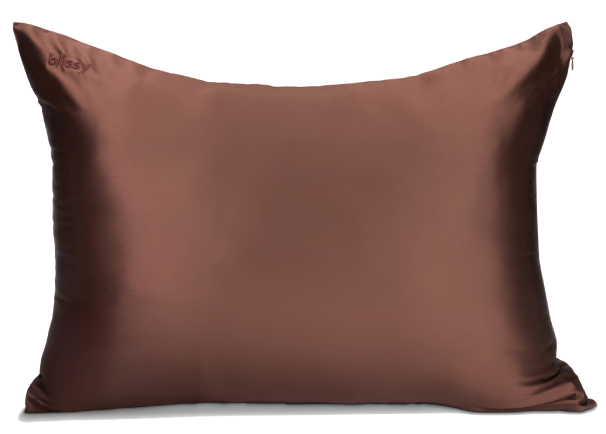
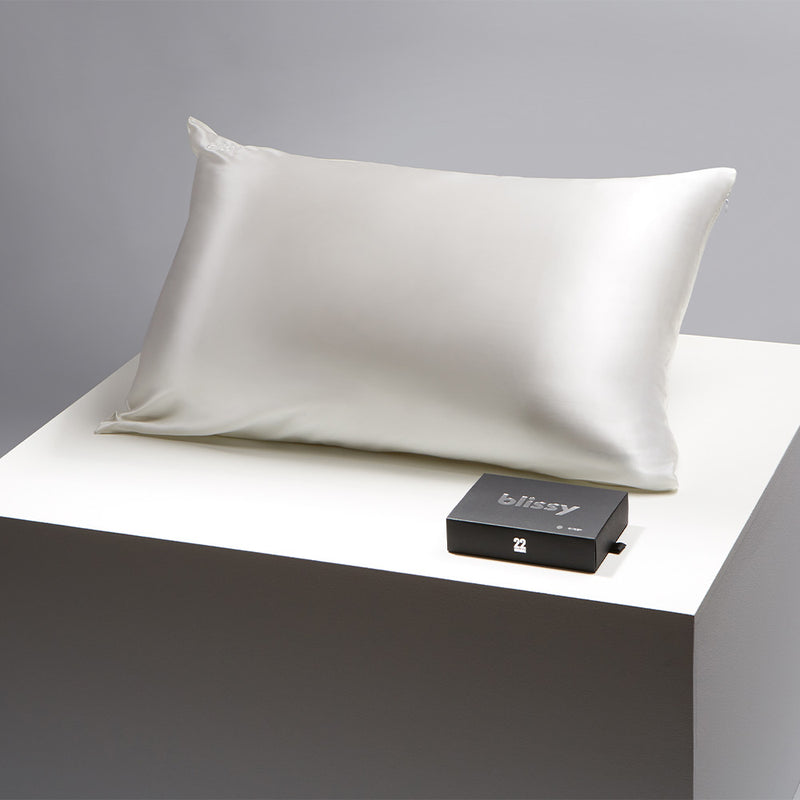
We recommend Blissy's 22-momme weight mulberry silk pillowcase as the top choice for easy-to-care-for 100% mulberry silk pillowcases that will last for years to come.