


























Key Takeaways:
-
I tested both, and Blissy still wins me over with a softer, cooler, more luxurious feel night after night.
-
Dream Recovery's silk is thicker and heavier, but it never felt as smooth or as cool against my skin.
-
Blissy backs it up with proof: disclosed Grade 6A silk and independent clinical testing, neither of which Dream Recovery discloses.
-
The "silver ion infusion" claim sounds impressive, but the research behind it might not hold up the way the marketing suggests.
I Tested the Dream Recovery Pillowcase Against My Blissy for 7 Nights. Here's What Happened.
I'm Alex, a beauty and lifestyle contributor here at Blissy.
I sleep on the Blissy pillowcase every night, so when people ask how Blissy compares to other silk pillowcase brand, I want to give my honest answer. Someone asked me about Dream Recovery recently, so I decided to actually try the thing.
Dream Recovery is best known for sleep accessories like Dream Mouth Tape and Second Wind Nasal Strips, but we recently heard about their Performance Silk Pillowcase.
So I ordered one and put it head-to-head with my own Blissy pillowcase for a week. Here's my honest, no-filter take.

Look and Feel: Dream Recovery vs Blissy Silk Pillowcase
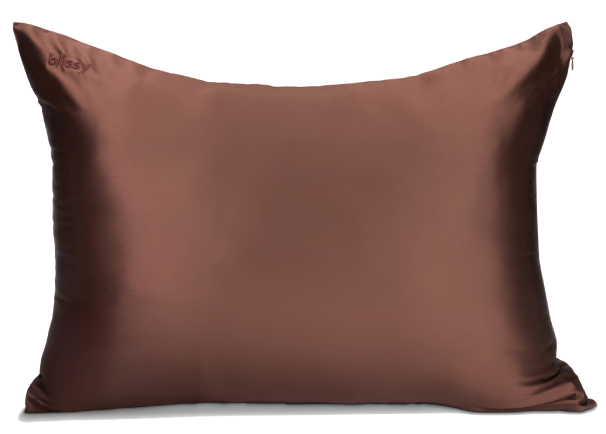
Blissy feels noticeably smoother, lighter, and cooler the second I touch it. Dream Recovery has a thicker, grainier texture. It's still soft and comfortable, but it doesn't have that buttery-smooth glide I'd usually associate with silk.
Dream Recovery:
-
Thick and grainy, but soft
-
Heavier and more structured
-
Marketed as Cool-Tech Silk™, but the denser silk fabric didn't feel cooler to me
Blissy:
-
Smoother, lighter, and noticeably softer
-
Cool to the touch right away
-
Lightweight but still feels durable

Dream Recovery's "Cool-Tech Silk™" claims it keeps your face cold even on the hottest nights. In practice, that's not what I felt.
Blissy was the one that actually felt cooler against my skin, both at first touch and through the night.
This tracks with the momme math we covered earlier. A denser, heavier weave has less airflow between fibers, so it holds heat closer to your skin instead of letting it move away.
Catchy marketing doesn't change how the fabric behaves against your face at 2am.
Blissy vs Dream Recovery Silk Quality: Momme Weight and Silk Grade
Here's something worth clearing up, because it's easy to get this backwards. Dream Recovery markets its 30-momme silk as the "highest grade" option. But momme weight and silk grade are two different measurements.
Momme tells you how heavy and dense the fabric is.
Silk grade (like 6A) tells you about the quality of the silk fibers themselves: their length, uniformity, and luster. A heavier momme doesn't automatically mean higher-grade silk.
For pillowcases specifically, 22-momme is the weight most dermatologists and top-rated brands recommend.
Twenty-two momme is dense enough to hold up through regular washing, but light and smooth enough to move gently against your skin and hair overnight.
Push much past 25-momme and silk tends to feel stiffer and less breathable, which tracks with what I felt testing Dream Recovery.

At Blissy, we're very transparent about our silk quality. Blissy's silk quality is:
-
22-momme weight
-
Grade 6A
Dream Recovery's silk quality is
-
30-momme
-
Grade unknown (product page doesn't list it)
Blissy vs Dream Recovery Skin and Hair: Which Had Better Benefits for Hair and Skin?
Quick honest disclaimer: I didn't sleep on the Dream Recovery pillowcase for more than 7 days straight, so the results only apply to a week's use. I've been sleeping on the Blissy pillowcase for years, so I'm more familiar with its benefits over time.

Blissy:
-
Less frizz and fewer tangles from the first morning
-
Skin felt calmer and more hydrated on waking
-
Silk's non-absorbent surface helps skin and hair hold onto natural oils instead of stripping them away
Dream Recovery:
-
Still some frizz-fighting benefit since it's silk
-
Hair felt a little more tangled by morning due to the coarser fabric
-
Skin felt slightly drier, likely from the denser weave not gliding the same way
This lines up with independent clinical testing on Blissy silk:
-
85% of participants noticed less hair frizz after a 30-day trial by Princeton Consumer Research
-
91% said their hair and skin health improved after four weeks of nightly use
-
A separate lab study by Kosmoscience measured frizz directly using fiber imaging and found silk helped hair maintain fiber organization overnight, with statistically significant results
Dermatologists back this up too. Board-certified dermatologist Dr. Aleksandra Brown says:
"As a board-certified dermatologist, I've seen how traditional pillowcases can sabotage your skin by trapping dirt and bacteria while absorbing your skincare products. That's why I recommend Blissy - the only dermatologist-backed, clinically-studied silk pillowcase, with 90% of users reporting clearer skin and improved skin health."

The Truth About Silver Ion Infusion
Blissy does not use silver ion infusion in its silk products, but Dream Recovery leans hard on this feature. They claim silver ion infusion makes their silk pillowcase naturally more antimicrobial and helps more with breakouts.
Silk already has natural antimicrobial qualities, which naturally helps with keeping skin clean and breakouts. So, does adding silver ion infusion make it even more effective at this?
I wanted to check whether that claim actually holds up before repeating it.
✓ What's real: Silver ions can slow bacterial growth on a surface. A hospital linens study did find that ionic silver treatment reduced Staph aureus contamination on fabric.
⚠ Where it falls apart: Hospital linens and a pillowcase you sleep on for eight hours a night aren't the same situation. Researchers who've reviewed anti-acne pillowcase claims point out that "99.9% antibacterial" numbers usually come from sterile lab conditions, not a real pillow on a real bed. Silver ions also leach out of fabric over time through washing and contact with skin oils, so any antimicrobial properties fade the more you use and clean it. And acne has multiple root causes that a treated surface alone doesn't address.
Worth knowing: A silver ion pillowcase carries little real risk if your skin barrier is intact. But if you have active breakouts, eczema, sunburn, or broken skin, that barrier is compromised, and that's exactly the skin silver ion technology is marketed to help. Worth checking with a dermatologist before you count on a treated pillowcase to do that work.
Blissy takes a different approach.
Instead of a surface coating, Blissy's silk pillowcase was clinically tested for comedogenic potential (whether it's likely to clog pores) by Princeton Consumer Research (PCR Corp, 2024). After 12 patch applications over 4 weeks, the pillowcase showed no statistically significant difference from untreated skin, supporting its use for acne-prone and sensitive skin.
Comparing Blissy Pillowcase with Dream Recovery Pillowcase
|
|
Blissy |
Dream Recovery |
|---|---|---|
|
Momme weight |
22-momme |
30-momme |
|
Silk grade |
Grade 6A (disclosed) |
Not disclosed |
|
Cooling |
Felt cooler in my experience |
Marketed as "Cool-Tech™", didn't feel cooler in my experience |
|
OEKO-TEX certified |
Yes |
Yes |
|
Clinical testing |
Yes, multiple third-party studies |
Not disclosed |
|
Return window |
60 nights |
30 days |
|
Starting price |
Starting at $74, retails at $105 |
$89 |
|
Color options |
100+ |
2 colors currently |

Dream Recovery Pillowcase Pros and Cons
Pros
- Heavier, denser 30-momme silk
- Sturdy, substantial feel
- Lower starting retail price at $89
Cons
- Doesn't feel as soft or smooth as Blissy
- Silk grade isn't disclosed
- Clinical testing isn't published
- Can cost more than Blissy when Blissy is on sale
Blissy Pillowcase Pros and Cons
Pros
- Softer, smoother feel against hair and skin
- Made with Grade 6A, 22-momme mulberry silk
- Backed by published independent clinical studies
- Frequently available at sale and bundle pricing
- With proper care, can hold up for years
Cons
- Higher full retail price (but usually on sale)
- 22-momme silk feels less dense than Dream Recovery's 30-momme silk, if you prefer a heavier feel
Further Reading:
Other Things Worth Knowing about Blissy vs Dream Recovery
|
|
Blissy |
Dream Recovery |
|---|---|---|
|
Zipper closure |
Sturdy hidden zipper |
Sturdy hidden zipper |
|
Care |
Gentle cycle, cold water, air dry. Matching Blissy Wash and mesh bag available |
Similar instructions |
|
Fabric |
100% mulberry silk, Grade 6A, 22-momme |
100% mulberry silk, grade not disclosed, 30-momme |
|
Sizing |
Standard, queen, king, plus toddler and youth |
Standard and king only |
|
Matching essentials |
Sleep masks, robes, scrunchies, and more in matching silk |
Not offered |
|
Style |
100+ colors and patterns |
Limited colors |
Care and Fabric
- Both pillowcases use a sturdy hidden zipper and call for the same basic care: gentle cycle, cold water, air dry.
- Blissy also sells a matching Blissy Wash detergent and mesh laundry bag, made specifically for its silk.
- Both are 100% mulberry silk, but the fabric itself differs. Blissy uses Grade 6A, 22-momme silk. Dream Recovery uses a heavier 30-momme silk and doesn't disclose a grade.
Sizing and Matching Essentials
Blissy offers more sizes, including standard, queen, king, toddler, and youth. Dream Recovery only offers standard and king.
Blissy also has matching silk essentials, like sleep masks, robes, and scrunchies, so you can build out a full silk routine. Dream Recovery doesn't currently offer this.
Style
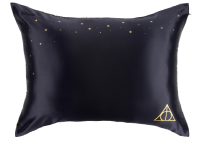
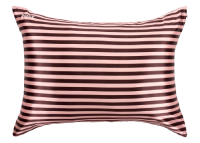
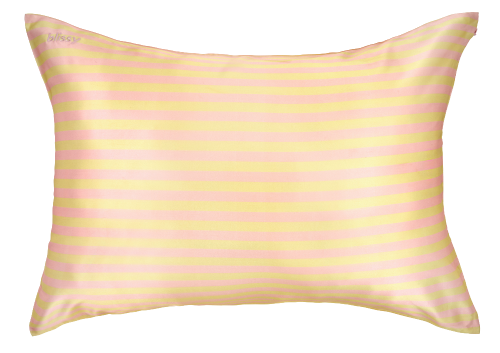
Blissy comes in 100+ colors, patterns, and licensed collabs. Dream Recovery's options are to two right now. If you want your bedding to actually match your room, Blissy is the easy win here.
My Honest Verdict
Both of these are solid silk pillowcases. But if I'm being straight with you, I'd still pick Blissy.

Dream Recovery leans into performance and a sturdier feel, and at full price it costs less to start. But when Blissy's on sale, like it is right now at $74, that price advantage disappears entirely.
The silver ion infusion is backed by weak evidence for adding real benefit on top of what silk already does naturally on its own, especially if you have acne-prone or sensitive skin.
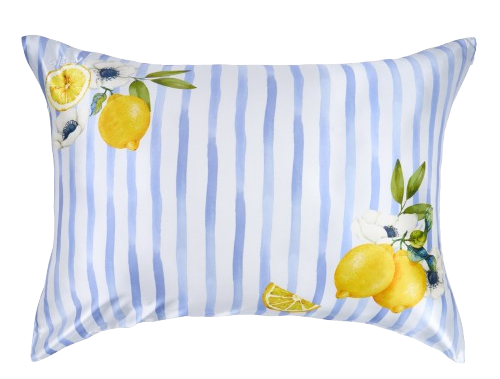
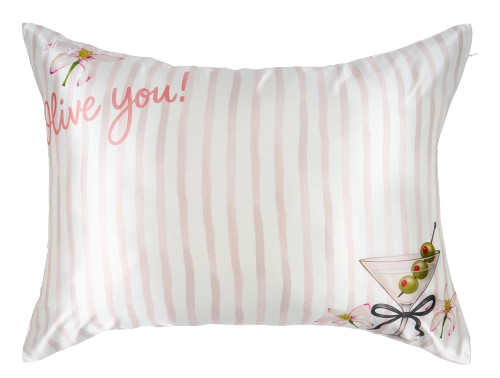
My priorities are softness, coolness, how my hair and skin feel in the morning, and having options that actually look good on my bed. Blissy is built around the beauty-rest experience in a way Dream Recovery isn't really trying to be.
For anyone who feels the same way, Blissy transforms the whole sleep experience, not just the spec sheet.


